MDKA Begins 3,600-Meter Deep Drilling at Pani Gold Mine, Targeting Additional Resources
02 Jun 2026, 01:28 PM 189

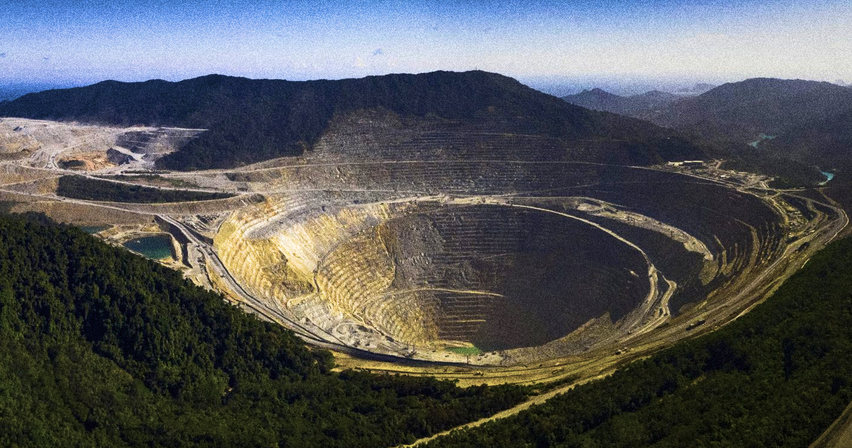
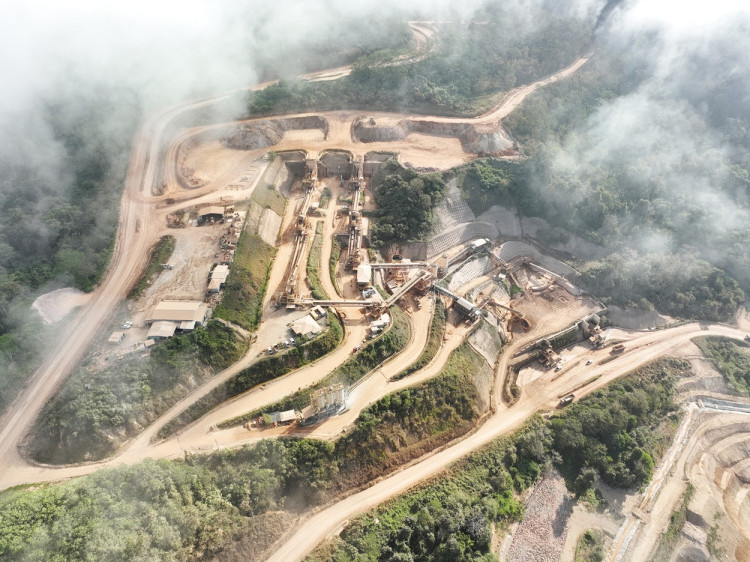
PT Merdeka Gold Resources Tbk (EMAS) has commenced a 3,600-meter diamond deep drilling program at the Pani Gold Mine in Gorontalo. The development is considered significant as it could potentially increase the company’s mineral resources and extend the long-term development prospects of the mine.Based on an official press release dated May 29, 2026, the initial drilling program consists of six drill holes aimed at testing the continuation of gold mineralization at deeper levels. Currently, one drilling rig is already in operation, while a second rig is scheduled to begin operating next month. The company stated that the program could be expanded if early results indicate positive potential.The Pani Gold Mine currently holds estimated mineral resources of 291.5 million tons with a gold grade of 0.75 grams per ton, equivalent to approximately 7 million ounces of gold. The estimate comes from a 135-hectare exploration area, which forms part of the company’s total concession area of 14,670 hectares. EMAS is a gold mining company majority-owned by PT Merdeka Copper Gold Tbk (MDKA).EMAS Expands Exploration Agenda in GorontaloMerdeka Gold Resources President Director Boyke Abidin stated that the deep drilling program is being carried out alongside the commencement of production at the Pani Mine. According to the company, the initiative forms part of its long-term resource development strategy and efforts to optimize the gold mine’s potential in the region.In addition to Pani, the company has also completed an initial drilling program at Kolokoa consisting of 54 drill holes with a total depth of 11,701.6 meters. With an exploration cost of approximately USD 2.4 million, EMAS has set an exploration target for Kolokoa of between 20 million and 40 million tons with gold grades ranging from 0.3 g/t to 0.5 g/t.The company also plans to begin drilling activities at Lone Pine in the second half of 2026, alongside geophysical surveys using Mobile Magnetotelluric and helicopter-based airborne magnetic surveys scheduled for June or July 2026. The latest drilling results and updated resource estimates will be announced after review in accordance with the JORC Code 2012 and KCMI 2017 standards.Summary of EMAS Exploration ProgramSource: www.bareksa.comUpcoming Exploration Agenda• The second drilling rig is scheduled to begin operations next month• Kolokoa’s maiden resource estimate is targeted for release in the second quarter of 2026• Lone Pine drilling activities are set to begin in the second half of 2026• Airborne geophysical surveys are planned for June–July 2026• Exploration evaluations will follow JORC 2012 and KCMI 2017 standardsKey Investor Considerations• The exploration program has the potential to increase EMAS’ mineral resource base• Additional reserves could support the mine’s long-term operational outlook• Exploration activities reflect the company’s aggressive asset development strategy• Drilling results still require validation and official resource estimationConclusionThe deep drilling program at the Pani Gold Mine reflects EMAS’ continued efforts to strengthen the development of its core gold assets. The focus on deeper exploration areas has attracted market attention due to its potential to expand mineral resources.Investors may continue monitoring drilling progress, new resource estimates, and the implementation of the company’s broader exploration agenda throughout 2026. These developments could influence EMAS’ long-term operational and growth prospects.

BUMA International (DOID) Records IDR 5.4 Trillion Revenue in Q1 2026
01 Jun 2026, 06:53 PM 213

PT BUMA International Group Tbk. (DOID) recorded revenue of USD 318 million, equivalent to IDR 5.4 trillion, in the first quarter of 2026 (based on the Jisdor exchange rate of IDR 16,999 per US dollar as of March 31, 2026).In its official statement, BUMA management explained that the company posted revenue of USD 318 million, down 10% year-on-year (YoY), in line with a smaller active portfolio.The Average Selling Price (ASP) of its mining contractor business increased 3% YoY, supported by a higher proportion of rise-and-fall contracts as well as tiered tariff increases linked to coal prices.Meanwhile, EBITDA surged 98% YoY to USD 28 million from USD 14 million in the first quarter of 2025, with the EBITDA margin improving to 11% from 5% in the same period last year.DOID also recorded a net loss of USD 24 million, equivalent to IDR 407.97 billion, compared to a net loss of USD 70 million in the first quarter of 2025.Management stated that the 66% YoY improvement reflected EBITDA recovery along with three supporting non-operational factors: a USD 12 million gain from the ongoing optimization of the ACG portfolio through land asset sales, a USD 12 million reduction in investment losses from 29Metals, and the absence of a USD 4 million receivables provision in Australia that had been recorded in the first quarter of 2025.BUMA International Group Director Iwan Fuad Salim said the first quarter of 2026 demonstrated that the recovery initiated throughout 2025 continued despite the seasonally challenging quarter.“EBITDA nearly doubled year-on-year despite lower revenue, supported by stronger cost discipline and improved productivity,” said Iwan.He also noted that operational discipline and EBITDA improvements remained intact through the peak rainy season in February, providing DOID with a stronger foundation for the rest of the year.“The foundation has been established, and our focus going forward is solid execution as we enter the drier operational quarters,” he added.DOID also recorded capital expenditure of USD 20 million, allocated to maintaining fleet reliability and operational sustainability.Meanwhile, free cash flow turned positive at USD 2 million, compared to negative USD 19 million in the first quarter of 2025. The improvement was mainly driven by USD 17 million in proceeds from land sales under the ACG portfolio optimization framework, supported by EBITDA recovery and significantly lower capital expenditure.Operationally, overburden removal volume declined 12% YoY to 89 million bank cubic meters (MBCM), while coal production fell 20% YoY to 15 million tons (MT).The decline in volumes primarily reflected the completion of contracts at the Binungan site in Indonesia and the Burton site in Australia, as well as ramp-down activities at two Indonesian sites during 2025.

Harita Nickel Records IDR 6.81 Trillion Revenue in Q1 2026
29 May 2026, 01:36 PM 228

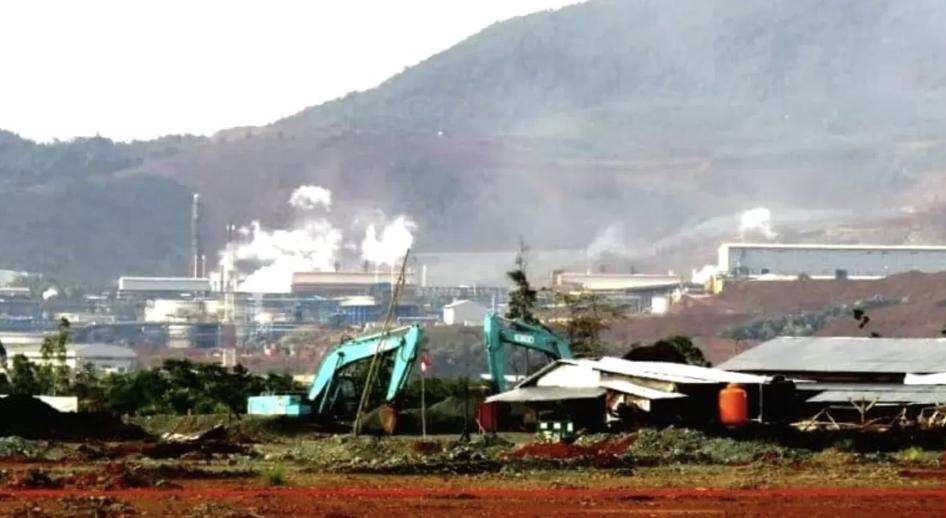
PT Trimegah Bangun Persada Tbk (NCKL), also known as Harita Nickel, is continuing its measured operational management strategy across its integrated value chain in 2026, covering activities from mining to downstream processing.“The global nickel industry is currently highly dynamic and challenging. Our focus is to maintain efficient, measurable, and responsible operations. Integration from mining to processing allows the Company to manage productivity and operational effectiveness more effectively while maintaining governance standards and long-term business sustainability,” said Lukito Gozali, Head of Investor Relations at Harita Nickel, in an official statement on Friday (29/5/2026).Amid pressure from global nickel prices and challenging industry conditions, Harita Nickel recorded revenue of IDR 29.63 trillion in 2025 and IDR 6.81 trillion in the first quarter of 2026. The company stated that it will continue to maintain measured operations amid uncertain market conditions.Operationally, all production lines are running according to targets, including nickel ore mining, pyrometallurgical processing through the RKEF route, and hydrometallurgical processing through the HPAL route, which produces mixed hydroxide precipitate (MHP) and nickel sulfate.The Company continues to apply a measured operational approach throughout its value chain in response to increasingly dynamic market conditions.Harita Nickel is also continuing various renewable energy initiatives gradually, including the development of a 40 MWp solar power plant, a 50 MWp waste heat recovery power facility from HPAL operations, and the implementation of an Energy Management System aligned with ISO 50001 standards.The Company has also entered the corrective action stage in its performance evaluation process under The Initiative for Responsible Mining Assurance (IRMA) standards and is preparing to undergo the Responsible Minerals Assurance Process (RMAP) Supply Chain Due Diligence Plus (SCDDP) Module audit as part of strengthening ESG standards and responsible supply chain practices.Harita Nickel also continues to strengthen its commitment to carbon emission reduction toward its net zero emission target by 2060.In the first quarter of 2026, the Company recorded avoided emissions of 977,278 tons of CO2e, up 37% compared to the same period last year. The increase was supported by waste heat recovery utilization, biodiesel usage, and coal gasification technology implementation.“Amid increasingly dynamic and challenging industry conditions, the Company will remain focused on efficiency, operational optimization, and strengthening long-term competitiveness. Integration from mining to processing enables the Company to maintain productivity, improve operational effectiveness, and strengthen business resilience in facing future industry developments,” Lukito concluded.

Coal Prices Surge Close to USD 140, China and India Scramble for Supply
27 May 2026, 06:39 PM 325

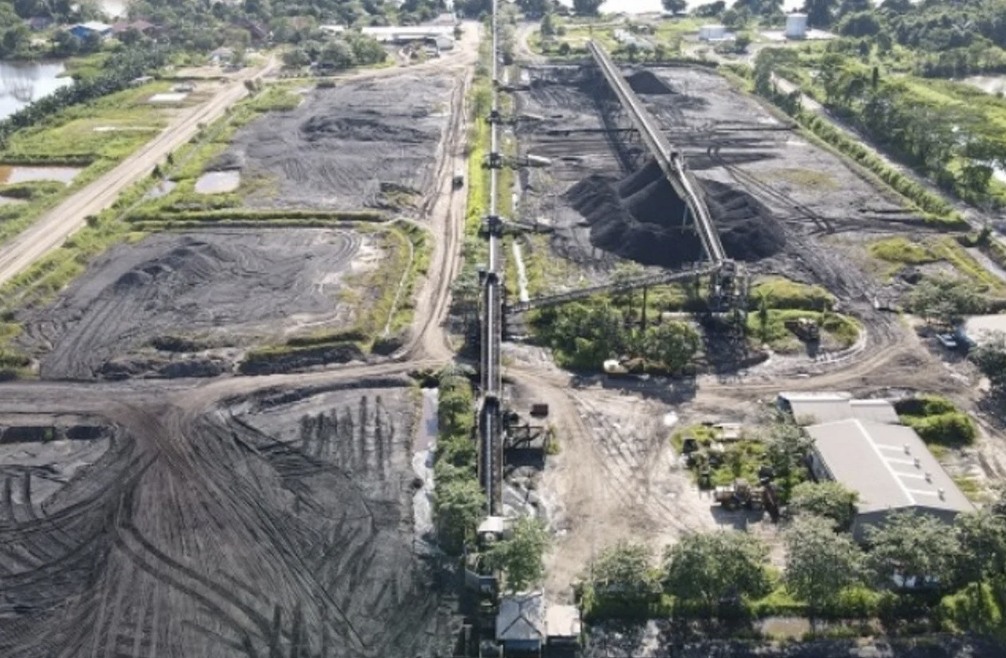
Coal prices surged amid market concerns over supply conditions in China and strong demand from India.According to Refinitiv data, coal prices closed at USD 139.4 per ton on Tuesday (May 26, 2026), rising 2.16%. The latest closing price marked the highest level since May 5, 2026, or in more than three weeks.Coke prices in China officially increased for the fourth time this year after major steel mills accepted price hikes proposed by coke producers. The latest increase took effect on May 26, amounting to around CNY 50–55 per ton.The increase came amid tightening coking coal supply following a mining accident in Shanxi, China’s key coal-producing region.Large-scale safety inspections forced several mines to temporarily halt production, raising market concerns that supply could shrink further.After the fourth round of price hikes took effect, the market immediately began discussing the possibility of a fifth increase.Coal Price Performance (USD/tonSource: RefinitivIndustry players believe coke producers now hold stronger bargaining power as market inventories remain relatively low while demand from the steel industry stays fairly stable.However, not all parties agree. Several steel mills have begun resisting further price increases as profit margins in the steel sector remain under pressure due to weakening steel prices. Tensions between coke producers and steelmakers have started to emerge.Meanwhile, the global coking coal market has also strengthened. Australian and Chinese coking coal prices climbed throughout May due to tight supply conditions and production disruptions in several mining regions.Following a mining accident that killed 82 people last week, authorities in Shanxi suspended operations at 109 mines with a combined annual production capacity of 122 million tons.The fatal explosion occurred at the privately owned Liushenyu mine on Friday night.Most mines are typically required to suspend operations for three to seven days after a serious incident.The market is now watching closely to see whether the scope of the shutdowns will be expanded, especially as China prepares to launch its annual mining safety campaign on June 1.If Beijing does not impose broader restrictions, coal production could recover quickly once the initial inspections are completed, potentially putting downward pressure on prices again.“Considering the need to maintain coal supply ahead of summer, the central government has so far not tightened safety supervision further,” said Yu Dian, lead researcher at Shanghai-based Citic Futures, as quoted by The Star.The explosion killed at least 82 people and suddenly tightened China’s coking coal market, directly impacting around 4% of total national production. Mysteel reported that several mining companies had already started receiving higher price offers following the disaster.Coking coal futures rose 0.5% to 1,273 yuan per ton at 11:01 a.m. Singapore time. Meanwhile, iron ore prices on the Singapore Exchange fell 1.4% to USD 105.20 per ton. Iron ore prices in Dalian and steel prices in Shanghai also weakened.Summer Demand Drives ConsumptionIn addition to the inspections, summer is approaching and electricity demand is entering its peak period. Institutions such as CITIC Securities noted that this year’s summer demand — including coal consumption by coal-fired power plants and the chemical sector — has exceeded expectations.Downstream users are currently reducing inventories during the low-demand season, but restocking demand for the peak season could emerge at any time.On one side, coal supply is shrinking, while on the other, demand remains stable or is even increasing. Naturally, the remaining coal supply has become increasingly contested.As a result, coal prices were immediately repriced in the futures market.Front-month coking coal futures surged nearly 8% in a single day, while contracts for the following month also hit their daily price limit.From India, state-owned miner Coal India instructed its subsidiaries to increase coal supply to power plants.The move aims to avoid shortages as the country’s electricity demand reaches record highs due to an extreme heatwave, according to two sources familiar with the matter.Several regions in India have experienced power outages, especially at night when renewable energy supply is unavailable. The situation comes after extreme temperatures triggered by El Niño weather patterns placed heavy pressure on the national power grid.A total of 21 power plants were reported to have critically low coal inventories — enough to meet demand for less than one week — based on the latest data from the Central Electricity Authority, an advisory body under India’s Ministry of Power.The world’s largest coal producer has instructed its subsidiaries to maximize coal shipments through all transportation modes, including railways transporting coal directly from mines to power plants, the sources said.Coal India on Tuesday stated that it had asked power utilities to increase coal inventories earlier ahead of peak demand, especially for plants located in areas with logistical challenges.India’s peak power demand, which measures maximum electricity requirements, reached a record high of 270.8 gigawatts (GW) last week.Although India already has 228 GW of non-fossil fuel energy capacity, coal still accounts for more than 70% of the country’s electricity generation.Coal India and its eight subsidiaries, which contribute around 80% of India’s coal production, recorded a 9.7% decline in output to 56.1 million metric tons in April, according to company data.The mining company stated that it currently holds coal inventories totaling 168 million tons, including 47.6 million tons at power plants, enough to meet consumption for 19 days.Meanwhile, coal stockpiles at mining sites reached 113.5 million tons as of May 23, up around 10% compared to the previous year.

Tsingshan Cuts Nickel Production at Weda Bay for Aluminium
19 May 2026, 06:51 PM 270

Tsingshan Holding Group has redirected part of the electricity supply at the Weda Bay industrial area in Indonesia from nickel smelters to aluminum operations. The move signals a shift in business priorities amid soaring global aluminum prices.Quoting MINING, the policy highlights how nickel and aluminum are becoming increasingly interconnected, particularly as both metals require massive amounts of electricity for smelting operations.Tsingshan has asked several nickel pig iron (NPI) producers in Weda Bay to reduce output in June so electricity can be redirected to support aluminum operations. The request was reportedly delivered last week to NPI operators, whose products are mainly used as raw material for stainless steel.The move signals that Tsingshan’s expansion into the aluminum business is beginning to put pressure on nickel operations within the industrial zone.Tsingshan is said to be prioritizing aluminum after rising prices for the lightweight metal significantly boosted profit margins compared to the NPI business.The power diversion will utilize electricity previously allocated to 22 NPI production lines at Weda Bay, including several owned by Tsingshan itself, to support the Juwan aluminum project — a joint venture between Tsingshan and Xinfa — which has an annual production capacity of 250,000 tons of aluminum.The Relationship Between Nickel and AluminumThe connection between nickel and aluminum in this case lies in their equally high energy requirements.Until now, electricity at the Weda Bay industrial complex had mainly supported nickel smelters. However, as aluminum prices surged and profit margins improved, electricity has started to shift toward aluminum smelters, which are seen as generating higher economic returns.Three-month aluminum prices on the London Metal Exchange (LME) jumped more than 12% after the Iran conflict disrupted shipping through the Strait of Hormuz and damaged aluminum facilities in the Gulf region, which accounts for nearly 9% of global supply. Meanwhile, profit margins in the NPI business are reportedly below 10%, making aluminum increasingly attractive.The situation reflects changing dynamics within Indonesia’s metals industry. Over the past few years, industrial zones such as Weda Bay were primarily developed to support nickel downstream processing for stainless steel and electric vehicle batteries.Now, aluminum is emerging as a new sector directly competing for energy and infrastructure resources.Pressure on electricity supply is also increasing as captive power plant development is considered to be lagging behind smelter expansion.Morgan Stanley Head of China Materials Research Rachel Zhang stated that captive power plant construction typically takes around two to two-and-a-half years, while aluminum smelters can be completed in less than a year. As a result, production capacity risks operating below optimal design levels.Weda Bay, located on Halmahera Island, currently has NPI production capacity exceeding 700,000 tons per year, according to Eramet’s investor presentation in May.Tsingshan Holding Group is one of the world’s largest stainless steel and nickel producers based in China.The company is known for aggressively building an integrated metals industry chain, ranging from mining and smelting to downstream stainless steel products and electric vehicle battery materials.In recent years, Tsingshan has become a dominant player in Indonesia’s nickel downstream sector through major investments in industrial areas such as Morowali and Weda Bay.Beyond nickel, Tsingshan is now expanding into aluminum, a metal widely used in the automotive, construction, electrical cable, and electric vehicle industries due to its lightweight and corrosion-resistant properties.This diversification reflects the company’s strategy to strengthen its position in the global metals industry while capitalizing on rising aluminum prices and growing demand for lightweight materials driven by the global energy transition.

Merdeka Gold Completes Sale of 16 kg Gold from Pani Mine to Antam
16 Mar 2026, 08:08 AM 998

PT Merdeka Gold Resources Tbk (EMAS) has announced its maiden gold sale from the Pani Gold Mine, marking its entry into the commercial production phase.Boyke Poerbaya Abidin, President Director of PT Merdeka Gold Resources Tbk, explained that this sale was conducted through its subsidiary, PT Puncak Emas Tani Sejahtera (PETS), to PT Aneka Tambang (Persero) Tbk (Antam), totaling 16.0597 kg or 516.287 ounces of gold."This sale is part of a strategic collaboration between the Merdeka Group and Antam through a Gold Sales and Purchase Agreement (GSPA) to support the absorption of domestic gold production while strengthening the integration of the national gold supply chain," he stated in a written release on Monday (March 16, 2026).Along with the commencement of production, Merdeka Gold also reported a significant increase in its gold reserve base. Based on the latest estimates as of December 31, 2025, total Ore Reserves have increased to 203.1 million tonnes of ore with an average grade of 0.79 g/t gold, containing approximately 5.2 million ounces of gold.Ore Reserves are the portion of a Mineral Resource that has undergone technical and economic studies and has been deemed viable for mining."The increase in Ore Reserves was primarily driven by the success of the follow-up exploration program as well as the updating of the geological model and mine planning conducted throughout 2025," said Boyke.Merdeka Gold targets production of approximately 100,000–115,000 ounces of gold in 2026, alongside the accelerated development of processing facilities and the optimization of mining operations.Boyke added that the company is continuing its exploration program to expand the resource base in the Pani area.Currently, four diamond drill rigs are operating at the project site, with an additional two diamond drill rigs and one reverse circulation rig scheduled to arrive in the coming months to support the planned drilling program of more than 32,000 meters this year.

Indonesia and Japan Agree on Cooperation for Critical Minerals and Nuclear Energy
15 Mar 2026, 08:35 AM 2201

Indonesia and Japan signed a Memorandum of Cooperation (MoC) in two strategic sectors, namely critical minerals and nuclear energy, during a bilateral meeting on the sidelines of the Indo-Pacific Energy Security Ministerial and Business Forum (IPEM) in Tokyo on Sunday.Minister of Energy and Mineral Resources (EMR), Bahlil Lahadalia, stated in a press release received in Jakarta on Sunday that this cooperation will strengthen a more integrated and sustainable energy system.He conveyed that Indonesia is very open to collaborating on critical mineral management, given that Indonesia holds the world's largest nickel reserves, as well as resources in bauxite, tin, copper, and rare earth elements."We are very open; we are pleased to invite the Japanese government and Japanese business partners to co-manage our critical minerals in Indonesia," said Bahlil.On the same occasion, Japan's Minister of Economy, Trade and Industry (METI), Ryosei Akazawa, emphasized the importance of cross-border collaboration to face global uncertainty, in order to maintain energy security and supply sustainability."Amid the current global crisis, it is vital for us to strengthen cooperation to safeguard energy security. Japan itself has prepared strategic energy reserves as an anticipatory measure," he said.Akazawa also reaffirmed Japan's commitment to continue supporting various energy cooperation projects with Indonesia, including the completion of the Legok Nangka Waste-to-Energy (PLTSa) project as part of the strategic partnership between the two nations.The Ministry of EMR stated that cooperation in the critical minerals sector will be directed toward strengthening the global supply chain to be more secure and reliable, while nuclear energy cooperation will focus on developing low-carbon technology with high safety standards.Both countries will further continue discussions regarding the strengthening of regional energy security, including cooperation on the liquefied natural gas (LNG) and coal supply chains, as well as accelerating energy transition projects under the Asia Zero Emission Community (AZEC) framework, such as the operation of the Sarulla geothermal power plant (PLTP) and the completion of the Legok Nangka Waste-to-Energy project.This cooperation between Indonesia and Japan is expected to bolster energy security while supporting decarbonization efforts in the Indo-Pacific region.

The Ministry of Energy and Mineral Resources Endorses 300 Million Tons of Coal RKAB in 2026
13 Mar 2026, 08:10 AM 2240

The Ministry of Energy and Mineral Resources (ESDM) through the Director General of Mineral and Coal (Minerba) Tri Winarno has revealed the latest news regarding the Budget and Cost Work Plan (RKAB) for coal commodities in 2026.Tri said that until now his party had approved 300 million tons of coal production or almost reaching 50 percent of the total quota set by the Ministry of Energy and Mineral Resources."RKAB coal is now around 250-300 million tons. It is almost 300 million tons approximately. What has been approved yes. It is around almost 300 million tons," Tri told the media when met in Indramayu, quoted Friday, March 13.For information, the Ministry of Energy and Mineral Resources has set a coal production quota for 2026 of 600 million tons or down if compared to 2025 which was set at 790 million tons.However, Tri was reluctant to detail which companies his RKAB had been approved by the Ministry of Energy and Mineral Resources. However, he ensured that several companies such as PT Bukit Asam (Persero) Tbk had obtained RKAB permits.Tri also said that several companies that had received RKAB permits included holders of the Coal Mining Work Agreement (PKP2B). Tri said, not all ex-PKP2B companies have obtained approval.For information, this policy is taken to balance supply and demand, following the oversupply conditions that have been suppressing global coal prices.Efforts to coordinate between supply and demand are considered important, not only to maintain the stability of coal commodity prices, but also to ensure the availability of energy reserves for future generations. The government considers that excessive coal exploitation needs to be controlled so that natural resource management remains sustainable.

Nickel Market Could Shift to Deficit Due to Indonesia Quota, Says Macquarie
11 Mar 2026, 08:20 AM 1766

Nickel prices could climb further this year as a global supply shortage caused by top producer Indonesia’s decision to limit its production starts to bite, potentially sending the market into a deficit this year, according to Macquarie Group.In December 2025, the Indonesian government announced significantly tighter and more regulated nickel supply quotas to combat a global supply glut and boost depressed prices this year. Since then, prices of nickel metal as well as nickel pig iron (NPI), nickel sulfate and nickel ore have all gone up.As the global market continues to tighten, Macquarie strategists led by Jim Lennon are expecting further upside in nickel prices to reflect the rise in downstream products leading to higher costs. The higher domestic premium in Indonesian nickel ore, as the bank notes, has led to a near USD 3,000 increase in NPI prices, underpinning the surge in nickel on the London Metal Exchange.As such, the Macquarie analysts see a floor forming around USD 17,000–18,000 per tonne for LME-traded nickel, which is currently trading at near the midpoint of this range.Production could lagThe Australian bank also highlighted further upside in nickel prices, as production may not rise at all this year due to Indonesia’s restrictions, and this, it said, could lead to a global market deficit versus a previous forecast of a 90,000-tonne surplus. Japan’s Sumitomo last year said the nickel surplus could reach 256,000 tonnes in 2026.Credit: MacquarieA shortage of limonite ore and the recent tailing dam accident at Morowali are leading to weaker-than-expected production of MHP (mixed hydroxide precipitate), the intermediate product derived from laterite ores.The disruption to the supply of sulfur from the Middle East, if prolonged, would also have a negative impact on planned production, Macquarie said, while also noting that some planned expansions of new capacity are also likely to be delayed.Through the January-February period, it is estimated that NPI production fell 10% year-on-year, in part due to weaker ore grades and also due to furnaces being switched to make nickel matte (which has higher payables than NPI).

Advertisement