Tsingshan Cuts Nickel Production at Weda Bay for Aluminium
Tue 19 May 2026, 18:51 PM
Share
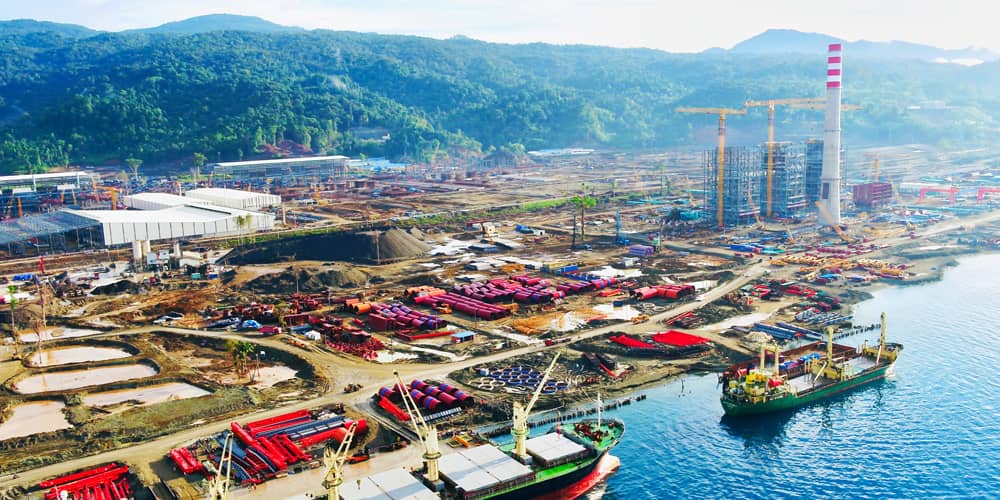
Tsingshan Holding Group has redirected part of the electricity supply at the Weda Bay industrial area in Indonesia from nickel smelters to aluminum operations. The move signals a shift in business priorities amid soaring global aluminum prices.
Quoting MINING, the policy highlights how nickel and aluminum are becoming increasingly interconnected, particularly as both metals require massive amounts of electricity for smelting operations.
Tsingshan has asked several nickel pig iron (NPI) producers in Weda Bay to reduce output in June so electricity can be redirected to support aluminum operations. The request was reportedly delivered last week to NPI operators, whose products are mainly used as raw material for stainless steel.
The move signals that Tsingshan’s expansion into the aluminum business is beginning to put pressure on nickel operations within the industrial zone.
Tsingshan is said to be prioritizing aluminum after rising prices for the lightweight metal significantly boosted profit margins compared to the NPI business.
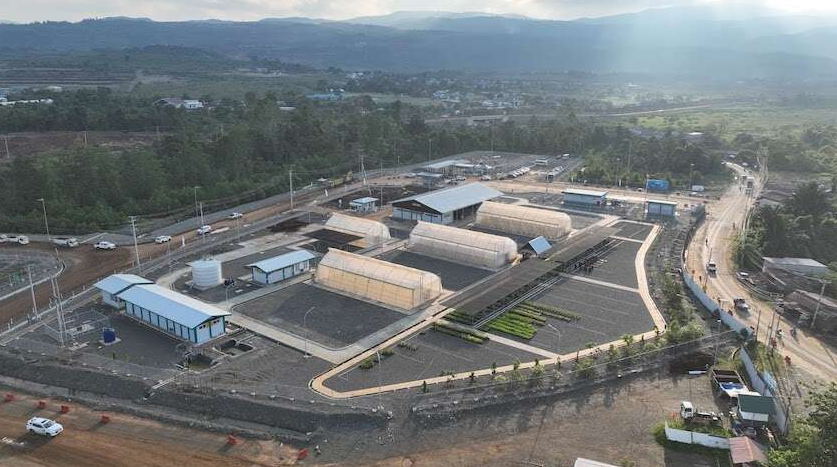
The power diversion will utilize electricity previously allocated to 22 NPI production lines at Weda Bay, including several owned by Tsingshan itself, to support the Juwan aluminum project — a joint venture between Tsingshan and Xinfa — which has an annual production capacity of 250,000 tons of aluminum.
The Relationship Between Nickel and Aluminum
The connection between nickel and aluminum in this case lies in their equally high energy requirements.
Until now, electricity at the Weda Bay industrial complex had mainly supported nickel smelters. However, as aluminum prices surged and profit margins improved, electricity has started to shift toward aluminum smelters, which are seen as generating higher economic returns.
Three-month aluminum prices on the London Metal Exchange (LME) jumped more than 12% after the Iran conflict disrupted shipping through the Strait of Hormuz and damaged aluminum facilities in the Gulf region, which accounts for nearly 9% of global supply. Meanwhile, profit margins in the NPI business are reportedly below 10%, making aluminum increasingly attractive.
The situation reflects changing dynamics within Indonesia’s metals industry. Over the past few years, industrial zones such as Weda Bay were primarily developed to support nickel downstream processing for stainless steel and electric vehicle batteries.
Now, aluminum is emerging as a new sector directly competing for energy and infrastructure resources.
Pressure on electricity supply is also increasing as captive power plant development is considered to be lagging behind smelter expansion.
Morgan Stanley Head of China Materials Research Rachel Zhang stated that captive power plant construction typically takes around two to two-and-a-half years, while aluminum smelters can be completed in less than a year. As a result, production capacity risks operating below optimal design levels.
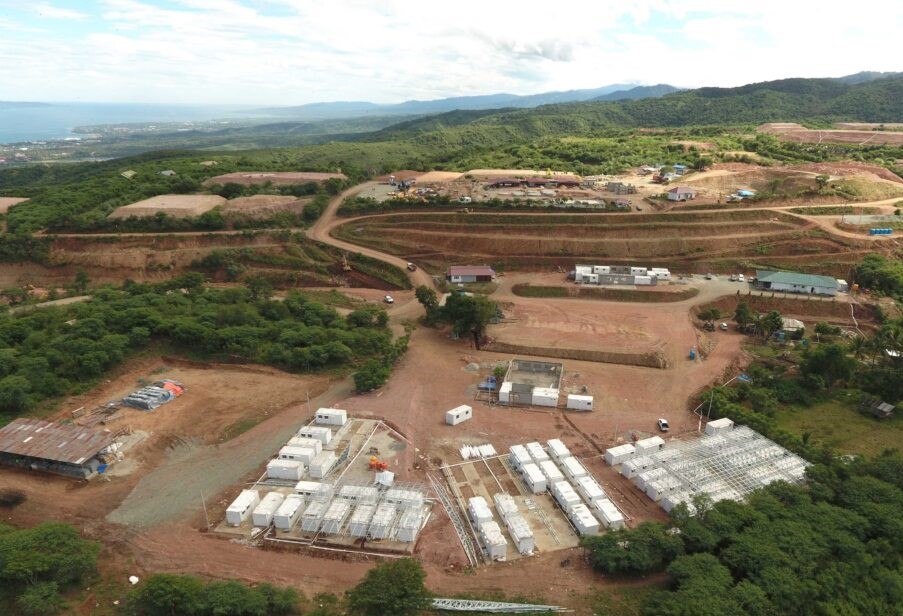
Weda Bay, located on Halmahera Island, currently has NPI production capacity exceeding 700,000 tons per year, according to Eramet’s investor presentation in May.
Tsingshan Holding Group is one of the world’s largest stainless steel and nickel producers based in China.
The company is known for aggressively building an integrated metals industry chain, ranging from mining and smelting to downstream stainless steel products and electric vehicle battery materials.
In recent years, Tsingshan has become a dominant player in Indonesia’s nickel downstream sector through major investments in industrial areas such as Morowali and Weda Bay.
Beyond nickel, Tsingshan is now expanding into aluminum, a metal widely used in the automotive, construction, electrical cable, and electric vehicle industries due to its lightweight and corrosion-resistant properties.
This diversification reflects the company’s strategy to strengthen its position in the global metals industry while capitalizing on rising aluminum prices and growing demand for lightweight materials driven by the global energy transition.
Advertisement